
What is Event Photography? A Houston Photographer Explains
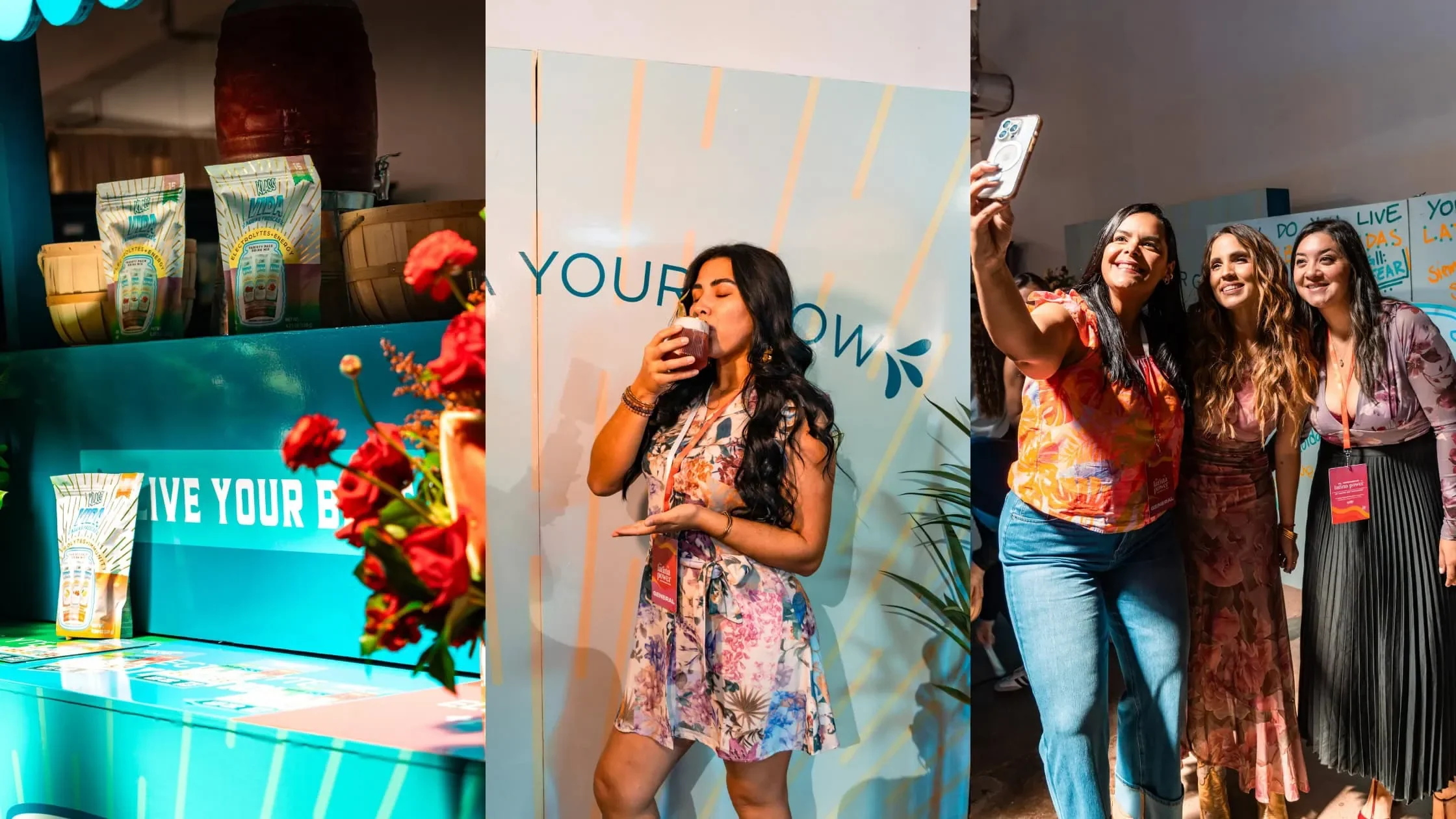
The 3 Types of Shots for Event Photography
Event photography is the professional coverage of an event as it happens — capturing the people, the moments, the details, and the overall atmosphere so they can be shown online and reused for memories, brochures, and more! It's part storytelling, part documentation: a photographer moves through your event and turns a few hours of real life into images & videos you actually get to show & keep in the memory banks.
I'm Noe, a Houston-based event photographer, and I've pointed my camera at just about everything — a marathon at sunrise, a brand’s stand at a press conference downtown, a chili cook-off at a brewery, brand launches, and private parties across the city. So if you've ever wondered what event photography really is (and whether your event needs it), let me walk you through it.
What Event Photography Actually Is
Here's the simple version: event photography is documentary-style photography of a live event. Unlike a portrait session, you can't pause the action and reset (unless some attendees pose) — the moment happens once, and your job is to be ready for it. A wedding is technically an event too, but when most people say "event photography," they mean corporate events, brand & product launches, parties, conferences, and community happenings.
The best way to understand it is to look at the three kinds of shots that make up almost every event gallery.
Candids: The Shots That Make it Feel Real
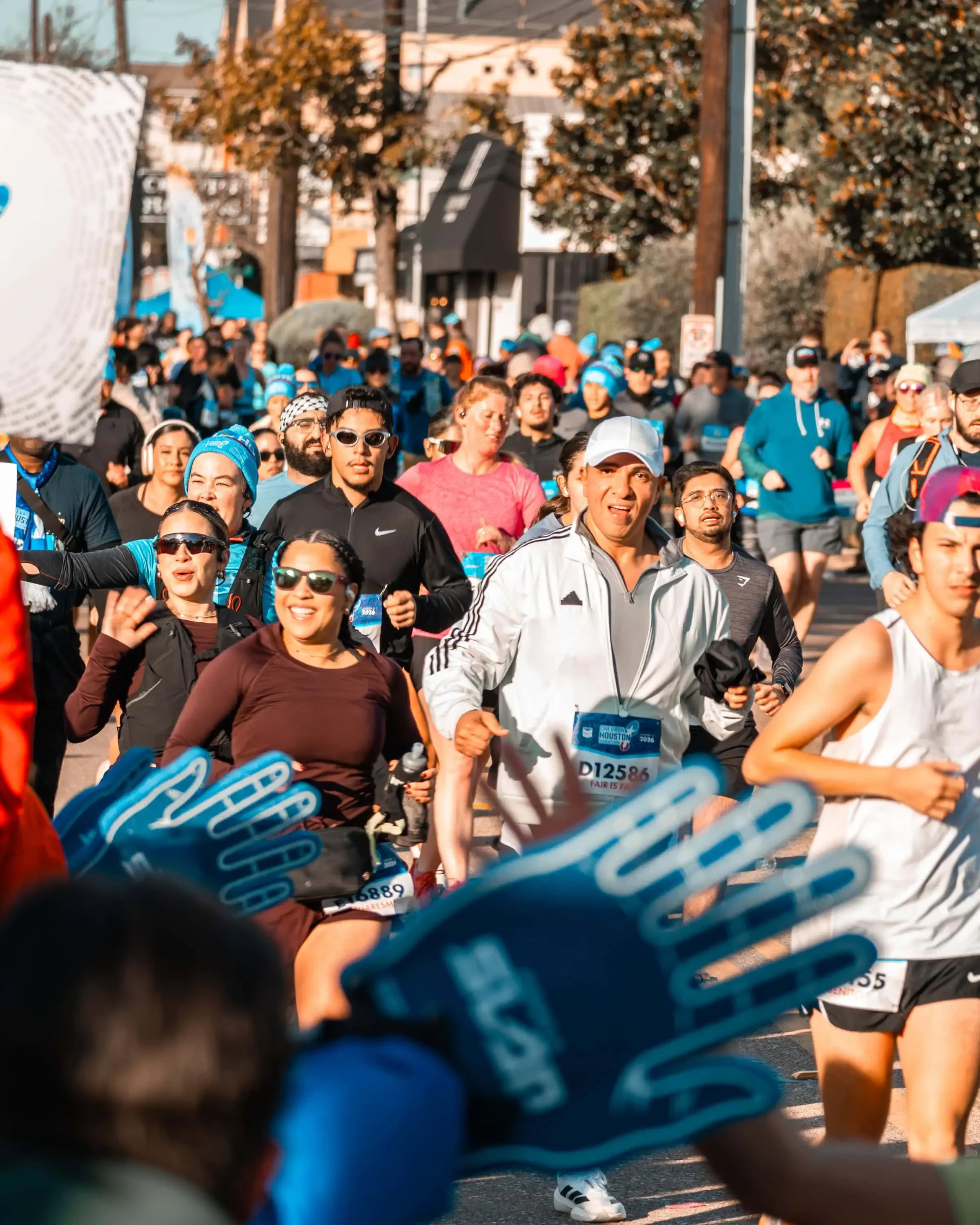
Candids are the unposed, in-the-moment photos — someone mid-laugh, a speaker leaning into the mic, a crowd reacting to a big reveal. These are the images that make an event feel alive instead of staged.
When I shot the Chevron Houston Marathon at Mile 7, right in front of the Fleet Feet tent, there was no such thing as "hold that pose." Runners were flying by, spectators were screaming, cowbells everywhere. My whole job was to anticipate — to know a great expression was coming half a second before it happened and be on it. That's candid work, and it's where an event's energy lives & is showcased to people after the emotions are all gone.
Posed Shots: The Ones People Ask For Later
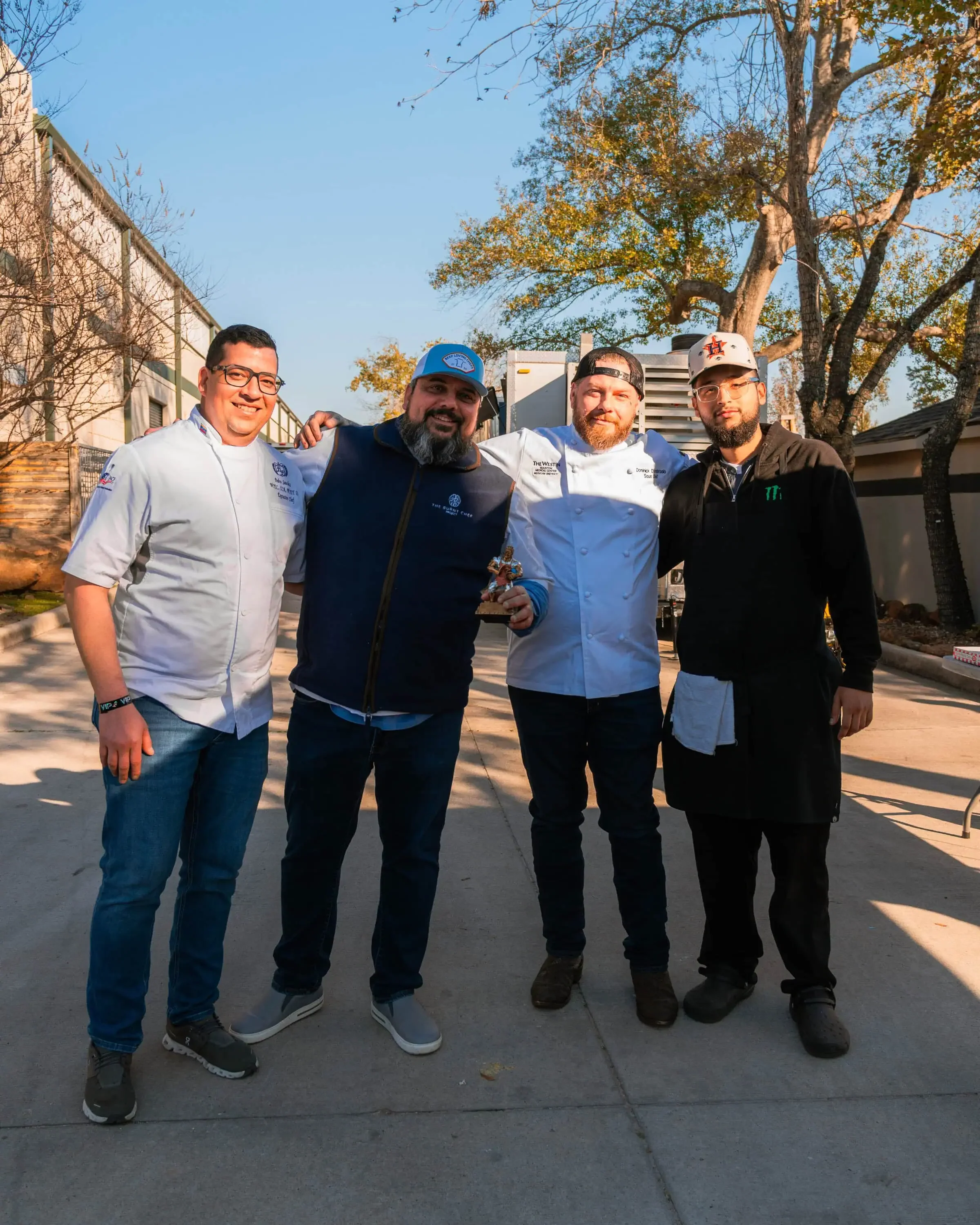
Posed shots are the quick, intentional photos of the people who matter — the team, leadership, sponsors, the guest of honor, the family. They only take a few seconds when a photographer directs them well, and they're almost always the images clients come back and ask for.
A good event photographer reads the room and grabs these without stalling your event. Nobody wants the party to stop for a 20-minute photo session. Usually, if there was a contest, a moment to give kudos to someone, or just the main acts overall, these are the ones I know to capture photos of at the event, since we can showcase them later on social media or a website.
Details and Products: The Stuff You Worked Hard On
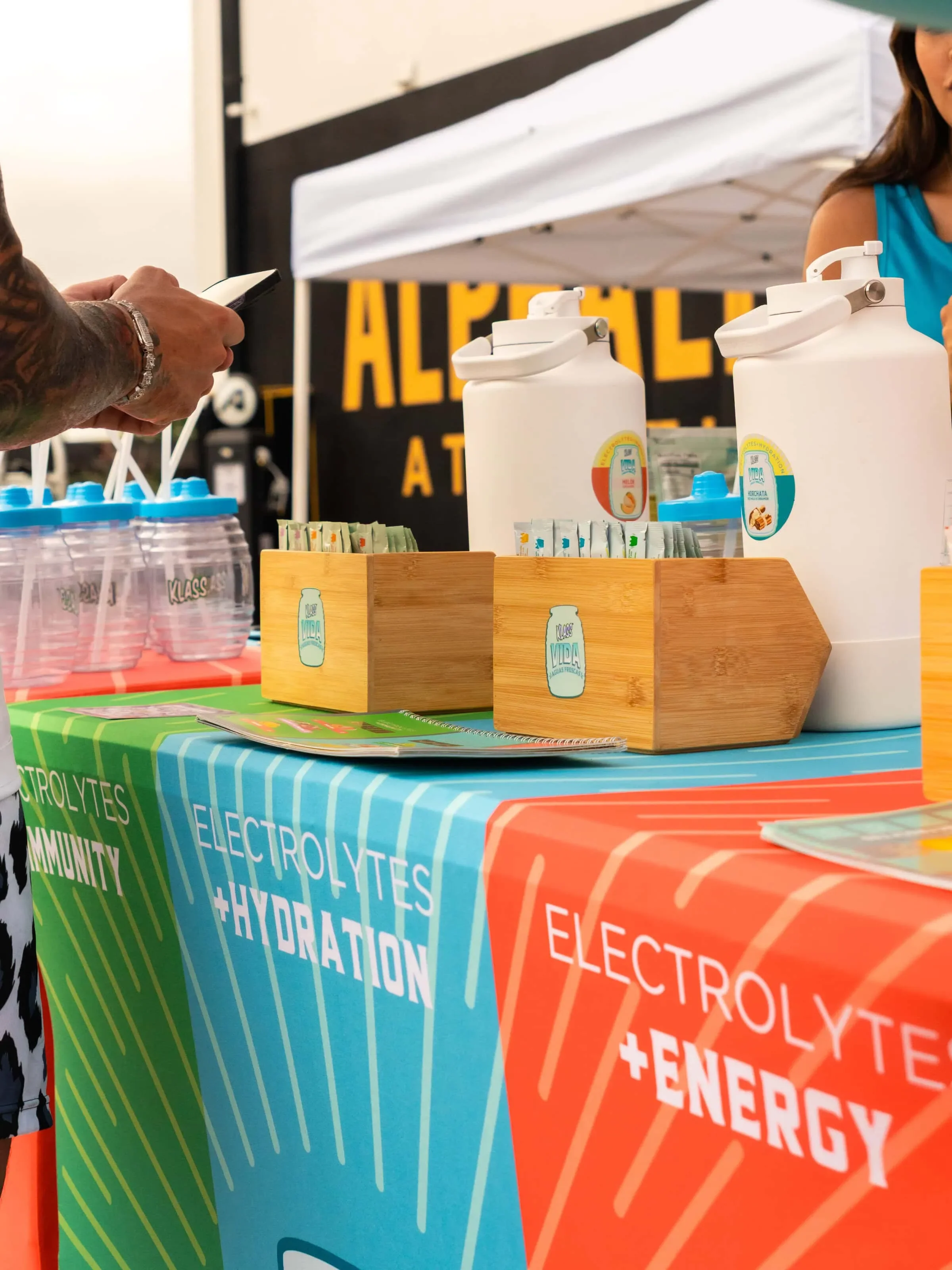
You spent real time and money on your event — the signage, the setup, the branding, the food, the product on the table. Detail shots make sure all of that gets seen. Usually, for event videos or recaps, these are the things shown in the intro before people come in. It’s these details that matter and get them to know that these are key little things that set the ambiance of the event.
At the Inaka 7-year anniversary at The Podium by Porsche, the detail shots were just as important as the crowd. The cars, the tent’s branding, the layout of the space — those frames told the story of the night as much as any candid did. For brands in particular, detail and product shots are the images that get reused most, especially for a clothing brand that has tons of runners running with their shirts for their anniversary.
The Types of Events I Shoot in Houston
"Event photography" is a big umbrella. Here are the three buckets most of my work falls into:
Corporate and Brand Events
Press conferences, product launches, galas, company parties, and brand activations. Here, the photos have a job to do after the event — they end up on LinkedIn, in recap emails, on the company website, in next year's sponsor deck.
I shot the Latina Press Conference at POST Houston and Summer Shredding at Alphaland for Klass Vida’s showcase of their products, with presentations and giveaways to attendees. In both cases, the client needed clean, usable, on-brand content they could post fast — sometimes the next day. That's a different mindset than a party: you're not just capturing memories, you're producing marketing assets.
Private Parties and Celebrations
Birthdays, quinceañeras, anniversaries, and milestone parties. The priority shifts from "marketing assets" to people and emotion — candids of guests, the big moments, and enough group shots that nobody gets left out.
These sessions live all over the Houston area — the Heights, Katy, Sugar Land, The Woodlands, Pearland — and they're some of my favorites because the moments are so genuine & have tons of value for the people who requested it.
Community, Sports, and Live Events
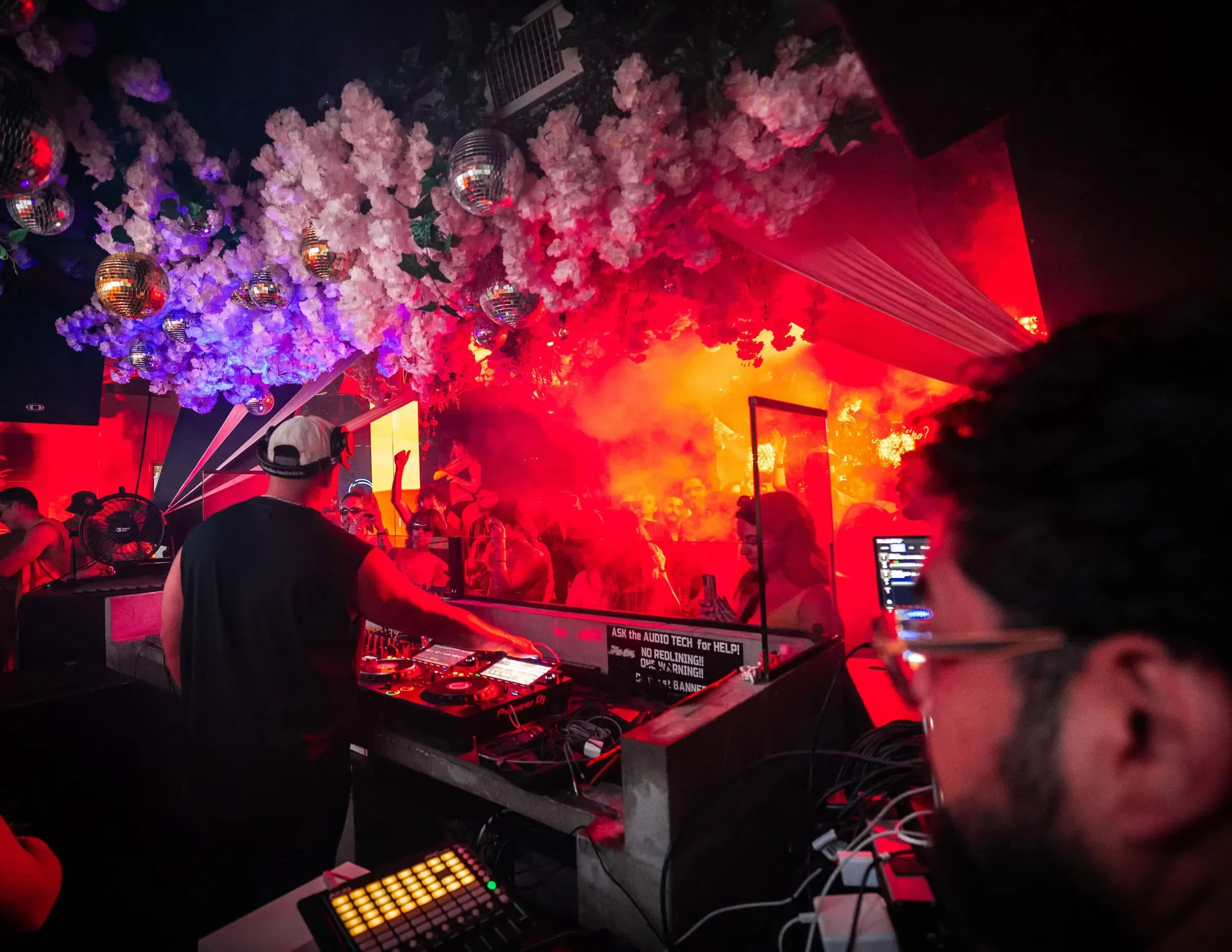
Marathons, festivals, cook-offs, and nightlife. I've covered the SpindleTap Brewery Chili Cook-Off, the Chevron Houston Marathon, and the Bauhaus Ibiza Sessions back in 2025.
Nightlife and live events bring their own challenge: low light, fast movement, and zero do-overs. The Bauhaus sessions were dim and packed, which is exactly the kind of environment where gear and experience earn their keep (more on that below).
Event Photography vs. Videography: What's The Difference?
I get this question a lot, so let's clear it up. Photography and videography answer two different needs.
Photography gives you sharp, high-resolution still images you can print, post, and use forever. They're quick to share, easy to scan, and endlessly flexible.
Videography captures motion and sound — the energy, the speeches, the highlight reel. This is usually posted at least 3-5 days after. Most of this can also be reused for the future end-of-year recap or a showcase to new sponsors who can see the crowd, interactions, and people.
Plenty of events benefit from both. But if you have to pick one, stills are usually the more flexible, longer-lasting asset for corporate and party needs. A photo of your keynote speaker can headline a recap email tomorrow; a two-minute hype video is amazing but takes longer to turn around and gets used in fewer places. When a client's on the fence, I help them figure out which one (or both) actually serves their goals.
What Actually Happens on Event Day
One thing people don't expect is how much of event photography happens before the event. My process runs in four steps: you inquire and send me the details, we plan out a shot list together, I shoot the event, and then I deliver the edited gallery.
That shot list matters more than people realize. When I know the timeline — when the speeches hit, when the cake comes out, which sponsors absolutely need coverage — I can anticipate instead of react. At a fast event like a press conference or a marathon, those few key moments happen once, and knowing they're coming is the difference between nailing them and missing them.
On the day itself, I'm constantly reading the room: where's the light, where's the next moment going to happen, who hasn't been photographed yet. Good event photography looks effortless from the outside precisely because there's a lot of quiet planning holding it up.
The gear that makes event photography work
Part of what you're hiring is equipment you don't have to think about — and backups for when something goes sideways at a one-time event you can't re-shoot.
I shoot on a Sony A6700 with four lenses, each with a job:
The 11mm — wide venue and crowd shots when I need to show the whole scene.
The 18–50mm — my everyday, do-everything range.
The 30mm — crisp detail and portrait work.
The 70–350mm — reach the stage or grab candids from across the room without getting in anyone's way.
Depending on the event, I'll also bring a DJI RS4 Mini gimbal for smooth movement, a DJI Mini 5 Pro drone for aerial shots at larger venues, a tripod, and lights or backdrops when the space & client call for them. Dim ballroom? I've got lighting. Big outdoor festival? The drone earns its spot. The range is the point — events are unpredictable, and the right kit (plus backups) is what turns "we hope we got it" into "we got it."
How to Prep Your Event Photographer
If you're hiring one, a few simple things make the whole day smoother:
Share a rough timeline so your photographer knows when the key moments land & which are the top priorities for them to be on their toes for when they happen.
Point out the people and details that matter most — VIPs, sponsors, the setup you're proud of.
Flag your must-have group shots in advance so nobody important gets missed.
Give access info—parking, load-in, and an on-site contact if needed.
The more your photographer knows going in, the more they can anticipate instead of scrambling. You can see more of my approach on my event photography page and browse real event galleries in my event photography portfolio.
Frequently asked questions
Is event photography the same as photojournalism? They're close cousins — both are documentary in style. Event photography borrows the photojournalist's instinct for catching real, unscripted moments, but it also includes posed group shots and detail/product photos that a news photographer wouldn't stage.
What's the difference between event photography and videography? Photography produces still images you can print and post; videography produces motion and sound. Photos are more flexible and longer-lasting for most uses, while video captures energy and speeches. Many events use both.
How many photos do you get from an event? It depends on the event's length and pace — a two-hour party delivers fewer final images than an all-day conference. A pro culls and edits down to the strongest shots rather than dumping every frame on you.
Do I need an event photographer for a small event? If the moments, people, or details matter to you — or you'll want content afterward — yes. Even short events produce photos you'll use for years.
Do you cover non-profit and community events in Houston? Yes. I regularly shoot community events, fundraisers, and local gatherings around Houston — reach out with your details and we'll figure out the right coverage.
Ready to capture your event?
Whether it's a corporate launch downtown or a birthday in the suburbs, great event photography makes sure the day is remembered the way it actually felt. I'm based in Houston, and I travel when the event calls for it.
See what's included and current pricing on my event photography page, take a look at real shoots in my photography portfolio, or reach out to check your date. Let's make your event unforgettable & endless with photos and videos to share to your audience to see your brand, people, and overall event!
